Search two areas and compare the differences that matter.
First area
VS
Second area
Santa Maria Maior
102
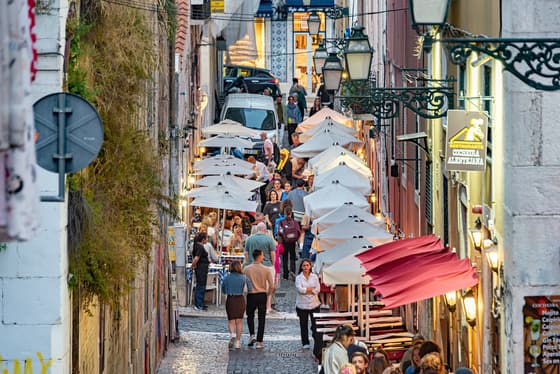
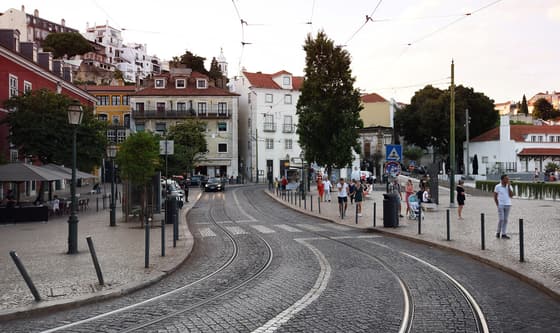
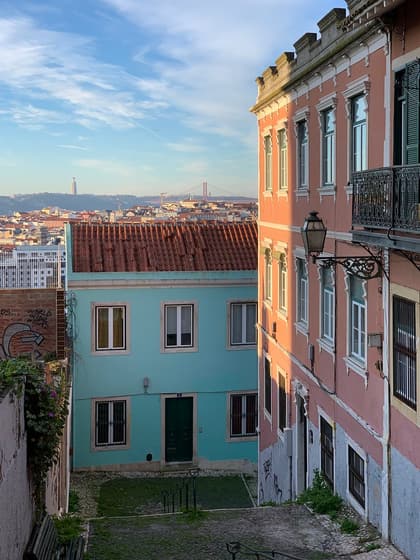
Santa Maria Maior is Lisbon’s historic heart: steep lanes, tiled facades, viewpoints, and lively squares packed with tram rattle and old-city atmosphere. It’s superb for sightseeing on foot, with easy access to Miradouro das Portas do Sol, Rua da Rosa, and downtown landmarks. Expect busy days, evening buzz, and some noise, especially around popular viewpoints and dining streets.
Excellent for iconic old-Lisbon sightseeing
Atmospheric streets and viewpoints everywhere
Can feel crowded around major sights
Santo António
71
Santo António feels central, polished, and distinctly Lisbon: leafy avenues, elegant old buildings, and an easy jump to Bairro Alto, Príncipe Real, and the Baixa edge. Sightseeing is straightforward, with cultural stops and viewpoints nearby, while transport connections make wider exploring simple. Dining skews stylish and varied; evenings can get lively, but the neighborhood usually keeps a more refined, urban pace than the party core.
Very central for classic Lisbon sightseeing
Good mix of cafés, restaurants, and evening options
Santa Maria Maior is Lisbon’s historic heart: steep lanes, tiled facades, viewpoints, and lively squares packed with tram rattle and old-city atmosphere. It’s superb for sightseeing on foot, with easy access to Miradouro das Portas do Sol, Rua da Rosa, and downtown landmarks. Expect busy days, evening buzz, and some noise, especially around popular viewpoints and dining streets.
Santo António feels central, polished, and distinctly Lisbon: leafy avenues, elegant old buildings, and an easy jump to Bairro Alto, Príncipe Real, and the Baixa edge. Sightseeing is straightforward, with cultural stops and viewpoints nearby, while transport connections make wider exploring simple. Dining skews stylish and varied; evenings can get lively, but the neighborhood usually keeps a more refined, urban pace than the party core.
Bairro Alto is Lisbon’s late-night, hilltop tangle of narrow streets, miradouros, and old facades, where daytime charm gives way to bars, tiny restaurants, and a buzzing social scene after dark. It’s highly convenient for central sightseeing, with easy access to Chiado, Baixa, and nearby viewpoints, but expect steep streets, dense foot traffic, and significant nighttime noise.
Estefanía is a lively, central Lisbon neighborhood with an easygoing local feel, set up well for sightseeing across the city. Expect a mix of everyday streets, quick access to major viewpoints and historic quarters, and a varied dining scene that can turn lively at night. It draws urban explorers who like being close to the action without a purely touristy atmosphere.
Baixa is Lisbon’s grand, gridded heart: polished, walkable, and made for first-time visitors who want landmarks, shopping streets, and easy transit at their doorstep. Days feel busy and efficient; evenings soften into café terraces and casual dining, with trams, metro, and pedestrian streets keeping the area lively but practical. Nearby highlights include Rua do Carmo, Rua da Rosa, and Miradouro das Portas do Sol.
Excellent base for central sightseeing and errands.
Campo Pequeno feels polished and urban, with a busy everyday Lisbon rhythm centered on its arena, broad avenues, and convenient transit. It’s well placed for reaching central sights like Rua da Rosa and Miradouro das Portas do Sol, while nearby landmarks such as Central Mosque of Lisbon and Sousa Martins Statue add local interest. Expect moderate crowds, steady traffic noise, and a practical mix of
São Vicente de Fora feels old Lisbon at its most atmospheric: hilltop viewpoints, narrow historic streets, tiled facades, and a calm, residential rhythm. It’s especially convenient for sightseeing around Miradouro das Portas do Sol and nearby heritage sites, with easy tram-and-hill transport character. Dining is modest and local; evenings are quiet rather than lively.
Prazeres feels residential and unpolished, with a local Lisbon rhythm rather than postcard bustle. It’s convenient for exploring nearby Campo de Ourique and reaching central sights by transit, while restaurants skew neighborhood casual and evenings stay relatively quiet. Best for travelers who prefer authentic city life over nonstop nightlife and tour-group density.
São Sebastião da Pedreira feels polished, central, and efficiently urban, with a businesslike Lisbon rhythm softened by leafy streets and easy access to museums, viewpoints, and historic neighborhoods. It’s convenient for sightseeing without the constant bustle of the old center, though traffic and weekday pace can feel brisk. Dining skews practical and polished rather than boisterous, and nightlife is modest compared with Lisbon’s more animated
Chiado is Lisbon’s elegant, walkable heart: historic cafés, boutiques, theaters, and lively streets linking Baixa to Bairro Alto. It’s excellent for sightseeing, with easy access to Rua da Rosa, Rua do Carmo, and nearby viewpoints like Miradouro das Portas do Sol. Expect busy daytime crowds, polished dining, and a buzzy evening mood that can turn noisy.
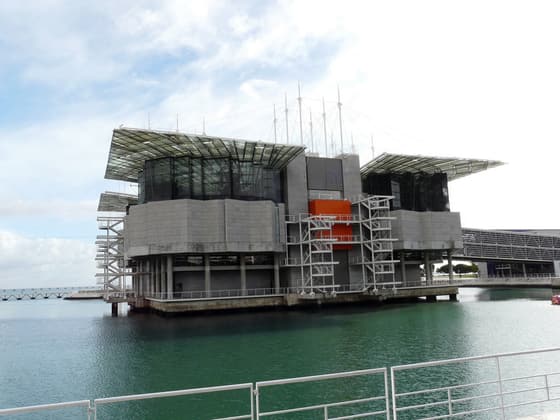
Parque das Nações feels sleek, spacious, and waterfront-modern, with broad promenades, contemporary architecture, and a calmer rhythm than central Lisbon. It’s convenient for Expo-era sights, the Oceanarium, and riverside walks, while Metro links make the historic core reachable. Dining skews polished and casual; nights are low-key, with more families, business travelers, and design-minded visitors than late-night revelers.
Saldanha feels polished and businesslike, with wide avenues, modern offices, and a steady flow of commuters rather than tourist crowds. It’s convenient for metro access and reaching central Lisbon sights, while nearby cafés, casual restaurants, and low-key bars keep evenings active without getting too rowdy. Best for travelers who want easy transit, an urban pace, and a more local, practical base.
Alfama is Lisbon’s oldest, most atmospheric quarter: a maze of steep alleys, tiled façades, fado bars, and lookout points with sweeping river views. Sightseeing feels immersive and immediate, with Miradouro das Portas do Sol close by. Expect narrow streets, hilly walking, lively evenings, and a rustic, local feel that can get crowded and noisy.
Campolide feels residential and lived-in, with a calm local rhythm, easy access to central Lisbon, and a practical transport vibe. Expect modest, everyday dining, quieter evenings than the nightlife districts, and manageable crowds. It suits travelers who want a neighborhood base with straightforward connections rather than constant tourist energy.
Areeiro feels like a practical, lived-in Lisbon base: residential, orderly, and well-connected, with a calmer rhythm than the historic center. It offers easy transit access for sightseeing across the city, from Miradouro das Portas do Sol to Rua do Carmo and Bairro de Campo de Ourique, while nearby dining skews local and low-key rather than buzzy late-night. Expect moderate street activity, commuter energy, and less
Excellent transport links for cross-city sightseeing
Arco Cego feels like a calm, lived-in Lisbon neighborhood with a practical, residential rhythm rather than a postcard bustle. It offers straightforward metro and bus access for reaching central sights, while nearby cafés and local eateries keep evenings low-key. Expect moderate city noise, manageable crowds, and an easy base for travelers who prefer convenience without constant tourism energy.
Campo Grande feels spacious and residential, with broad avenues, greenery, and a calmer Lisbon rhythm. It’s a convenient base for transit and practical sightseeing, especially for visitors who don’t need a dense historic-center buzz. Nearby attractions like the Central Mosque of Lisbon and easy access toward central neighborhoods make it functional, though not especially atmospheric at night.
Green, open streets feel calmer than central Lisbon.
Limited late-night energy compared with livelier districts.
São Francisco Xavier feels residential, calm, and distinctly Lisbon-local, with a lived-in atmosphere shaped by nearby institutions and everyday streets rather than heavy tourist traffic. It suits travelers who want an easy base for exploring the city’s west side and cultural landmarks, while dining and nightlife remain modest and low-key compared with central nightlife districts.
Santa Isabel feels residential and local, with a calm Lisbon rhythm close to Campo de Ourique, where cafés, small shops, and everyday life dominate. It offers easy access to central sights like Rua da Rosa, Miradouro das Portas do Sol, and the Museu de Arte Contemporânea, while remaining less tourist-saturated than the historic core. Expect modest nightlife, manageable crowds, and a quieter evening atmosphere.
Alto do Pina feels like a lived-in, uphill Lisbon neighborhood: residential, modest, and refreshingly unpolished. It’s better for everyday city rhythms than postcard sightseeing, with easy access to buses and taxis feeding into central districts. Dining is low-key and local, nightlife is limited, and evenings are generally calmer than in the entertainment-heavy downtown areas.
Madragoa feels like old Lisbon with a lived-in, village-like rhythm: narrow lanes, tiled facades, small eateries, and easy access to central sights without the full tourist crush. It suits travelers who want character over polish, enjoy walking to nearby viewpoints and neighborhoods like Rua da Rosa and Campo de Ourique, and prefer evenings that are relaxed rather than rowdy.
Olivais Norte feels residential and practical, with a local Lisbon rhythm rather than a tourist buzz. It suits travelers who value calm streets, easy airport-side transport connections, and straightforward access to the city by metro or bus. Nearby sights are mostly reached by transit, while dining and nightlife remain low-key and neighborhood-focused.
Olivais Sul feels residential, spacious, and quietly modern, with an everyday Lisbon rhythm rather than a tourist buzz. It’s best for travelers who want easy transport connections and a calmer base for reaching central sights like Baixa, Alfama, and the riverfront. Expect local dining, less nightlife, and a low-key atmosphere after dark.
Calmer, more residential feel than central Lisbon.
Rato feels central yet residential, with elegant avenues, embassy-era buildings, and a low-key local rhythm. It’s a convenient base for reaching Bairro de Campo de Ourique, Rua da Rosa, and central Lisbon sights, while still feeling a little removed from the city’s busiest tourist churn. Expect mixed daytime calm, livelier evenings nearby, and some traffic noise on main streets.
Central for sightseeing and neighborhood wandering
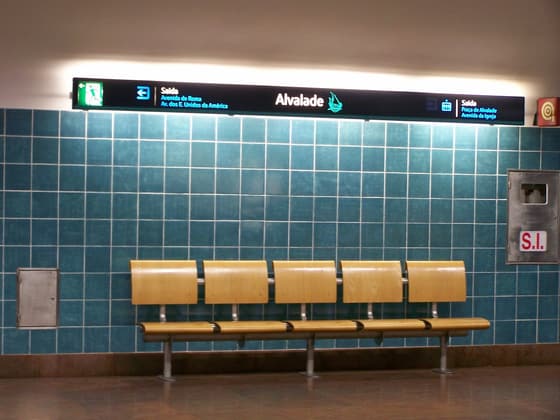
Alvalade feels like a spacious, lived-in Lisbon neighborhood: residential streets, local cafés, bakeries, and everyday bustle rather than postcard tourism. It offers easy access by metro and bus, making sightseeing in central Lisbon straightforward without staying in the thick of it. Nearby landmarks like Central Mosque of Lisbon and Sousa Martins Statue hint at its practical, cross-city position.
Anjos feels lived-in, eclectic, and very Lisbon: a mix of immigrant-run cafés, old apartment blocks, street art, and buzzing local commerce. It’s convenient for reaching central sights by metro or on foot toward nearby viewpoints and historic districts, while remaining less polished than the postcard center. Expect everyday bustle, some traffic noise, and a nightlife scene that’s more casual than chic.
Bairro do Rego feels like a lived-in, low-key Lisbon base: mostly residential, practical, and less polished than the postcard center. It offers easy access to nearby central areas and landmarks like the Central Mosque, Campo de Ourique, and Sousa Martins Statue, while staying outside the busiest sightseeing crush. Expect everyday cafés, modest streets, and a calmer night scene.
Castelo is Lisbon’s old hilltop heart: narrow lanes, tiled façades, and sweeping viewpoints, especially around Miradouro das Portas do Sol just below the castle walls. It feels historic and scenic rather than polished, with easy access to central sights, but steep streets, crowding near viewpoints, and modest nightlife can shape the stay.
Célula B feels like a practical, well-connected Lisbon base with a calmer residential rhythm than the historic core, yet enough urban energy to keep things interesting. It sits within reach of major sights like Miradouro das Portas do Sol, Rua da Rosa, and the MAC/CCB, making it useful for sightseeing by transit rather than on-foot wandering. Expect mixed local life, steady traffic, and a more
São Bento feels refined and residential, with a low-key Lisbon elegance that’s close to lively neighborhoods without being swallowed by them. It suits travelers who want café-lined streets, easy transit access, and a calmer base near sights like Rua da Rosa, Rua do Carmo, and Miradouro das Portas do Sol. Evenings are quieter than nightlife-heavy districts, with more local dining than partying.
Central enough for sightseeing, yet more relaxed than core tourist zones.
Nightlife is limited compared with livelier districts.
Zona Interdita feels like a practical, well-connected Lisbon district with a more local, less postcard-polished rhythm. It offers easy access to cultural stops like MAC/CCB and nearby city sights, while transit links make broader exploration straightforward. Expect a quieter everyday vibe than nightlife-heavy quarters, with dining and evening options more restrained than intense.
Good base for culture and city sightseeing
Nightlife is limited compared with livelier districts
Bairro Andrade feels like a lived-in, central Lisbon neighborhood: residential streets, everyday cafés, and easy access to major sights without the full tourist crush. It suits travelers who want a local base with good transit character and quick connections to viewpoints, historic districts, and dining streets. Expect a relaxed pace, moderate urban noise, and a mix of residents and visitors rather than heavy nightlife.
Bairro Azul feels residential and calm, with leafy avenues, local cafés, and an easygoing Lisbon rhythm. It’s convenient for sightseeing by metro and bus, with the city’s big cultural sites reachable without staying in the busiest tourist core. The nearby Central Mosque and quick access to Campo de Ourique add an everyday neighborhood feel, while nights are quiet rather than lively.
Bairro do Alto da Ajuda feels residential and elevated, with a quieter, local Lisbon pace than the center. It offers practical access toward Belém and west-side sights like MAC/CCB, while nightlife and restaurant energy stay modest and neighborhood-oriented. Expect fewer crowds, some uphill movement, and a calm base for travelers who prefer character over constant action.
Quiet, local atmosphere with limited tourist bustle.
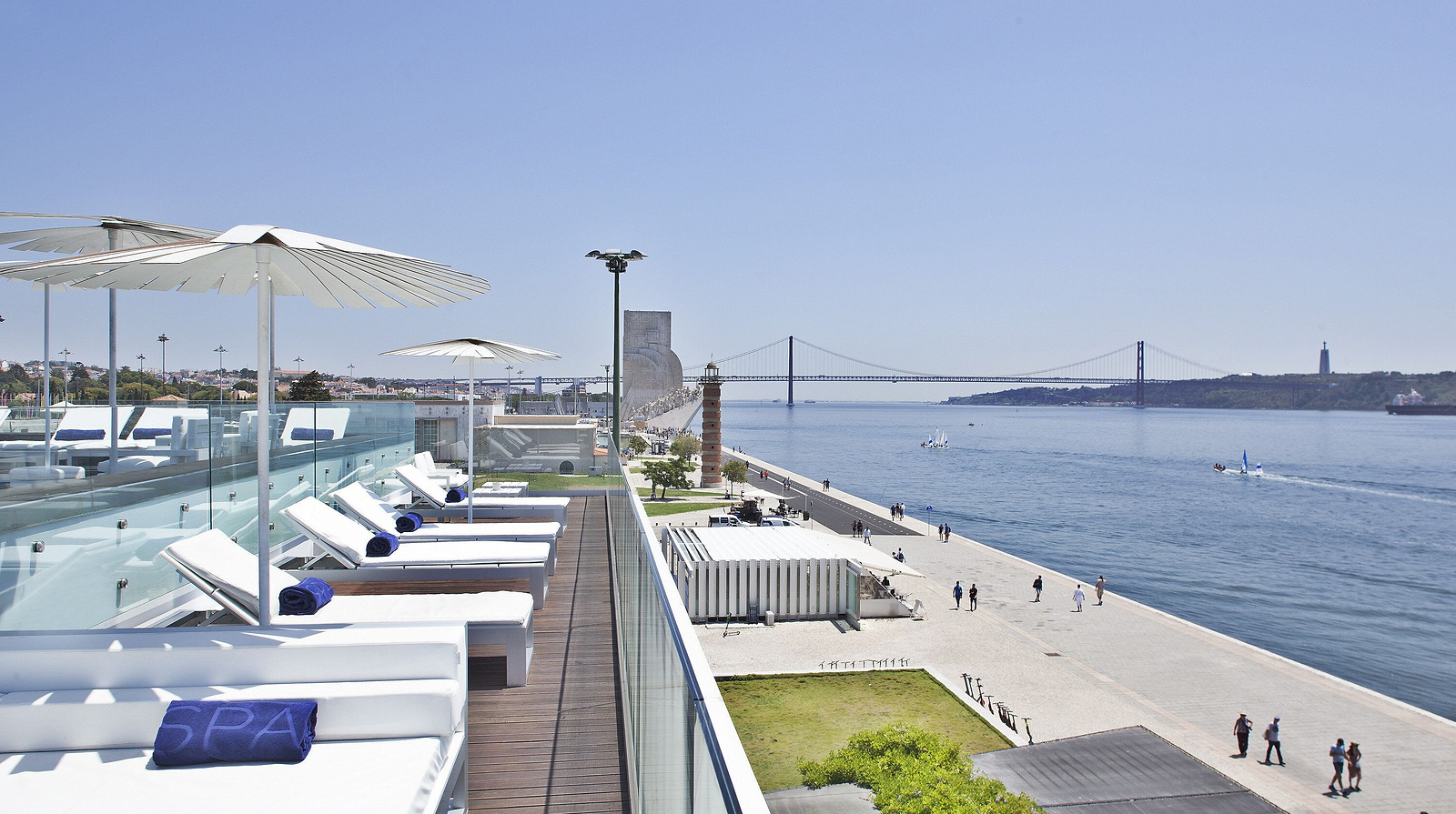
Belém feels ceremonial and breezy, where riverfront monuments, museums, and wide promenades create a spacious, daylight-heavy atmosphere. It’s ideal for slow sightseeing around MAC/CCB and the tower itself, with easy transit links but less of Lisbon’s late-night buzz. Expect daytime visitors, calm evenings, and more cultural than culinary energy.
Braço de Prata feels like a creative, riverside-fringe Lisbon neighborhood with an industrial edge and a quieter local rhythm than the central hills. It’s best for travelers who want easy rail access and a more lived-in base, with straightforward reach to eastern Lisbon sights and fewer crowds than the old town.
Quieter than Lisbon’s busiest tourist districts.
Not ideal for classic postcard sightseeing on foot.
Cais do Sodré is Lisbon’s lively riverside edge: gritty-meets-stylish, with bars, clubs, and late-night eateries packed around easy transit links. It’s a strong base for exploring central neighborhoods and waterfront sights, but the energy can run loud and late. Best for travelers who want nightlife, walkable dining, and quick connections over calm evenings.
Excellent transport connections for city exploring
Célula D feels like a practical Lisbon base with a lived-in urban rhythm rather than a postcard setting. It offers easy access to a spread of city landmarks, from Miradouro Das Portas Do Sol to Rua da Rosa and central cultural spots, while the atmosphere stays more local than touristy. Expect manageable bustle, everyday noise, and straightforward transport connections that suit travelers who like moving
Entrecampos feels like a polished, primarily residential business district: broad avenues, office towers, a busy rail-and-metro node, and a calmer everyday rhythm than central Lisbon. It’s convenient for citywide transit and practical sightseeing access, but less atmospheric than the historic core. Dining skews casual and weekday-oriented, with quieter evenings and fewer late-night scenes.
Rego feels like a lived-in central Lisbon neighborhood: residential, practical, and less touristy than the old town. It offers easy access to the Central Mosque, nearby Campo de Ourique, and quick transit toward sights like Rua da Rosa and Miradouro das Portas do Sol. Expect a relaxed local pace, modest nightlife, and everyday city noise rather than nonstop bustle.
S. Maria, S. Miguel, S. Martinho e S. Pedro de Penaferrim
Sintra’s Santa Maria, São Miguel, São Martinho and São Pedro de Penaferrim feel storybook-old and hillside-pretty, with cobbled lanes, palace views, and a constant flow of day-trippers. It’s best for sightseeing-focused stays, with easy access to Sintra’s headline landmarks but a busier, more tourist-oriented rhythm than a quiet local neighborhood. Dining leans casual and visitor-friendly, while evenings are calm rather than nightlife-driven.
Torres Amoreiras feels polished and businesslike, with a calm, urban Lisbon rhythm shaped by offices, modern towers, and nearby residential streets. It’s a convenient base for reaching central sights by transit or taxi, while the immediate area is quieter than the nightlife districts. Expect chain and neighborhood dining, subdued evenings, and less tourist buzz than the historic core.