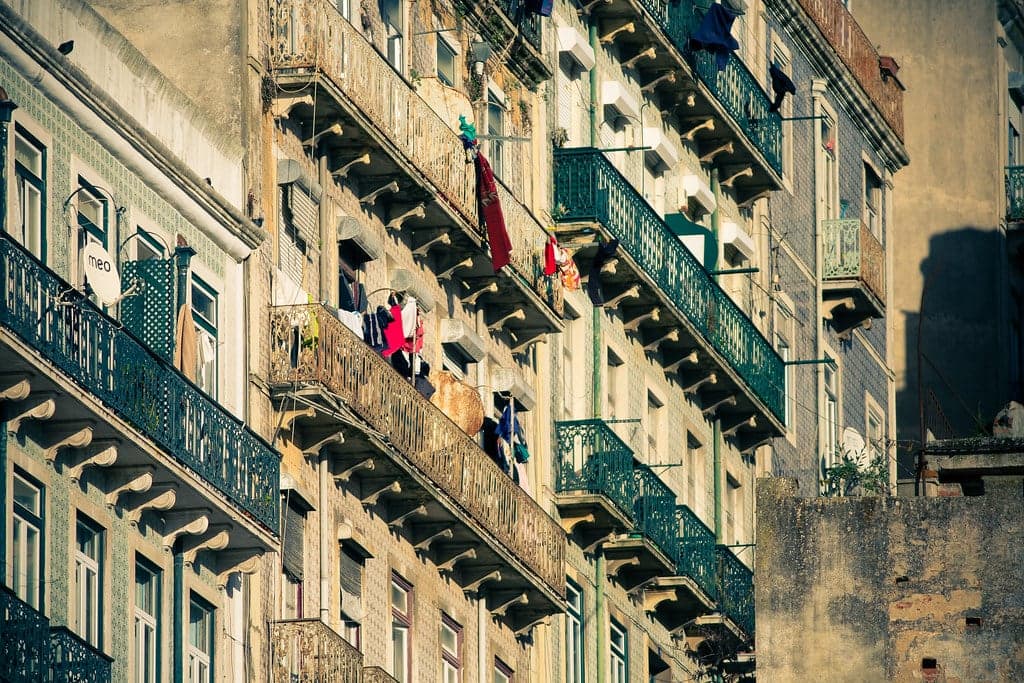
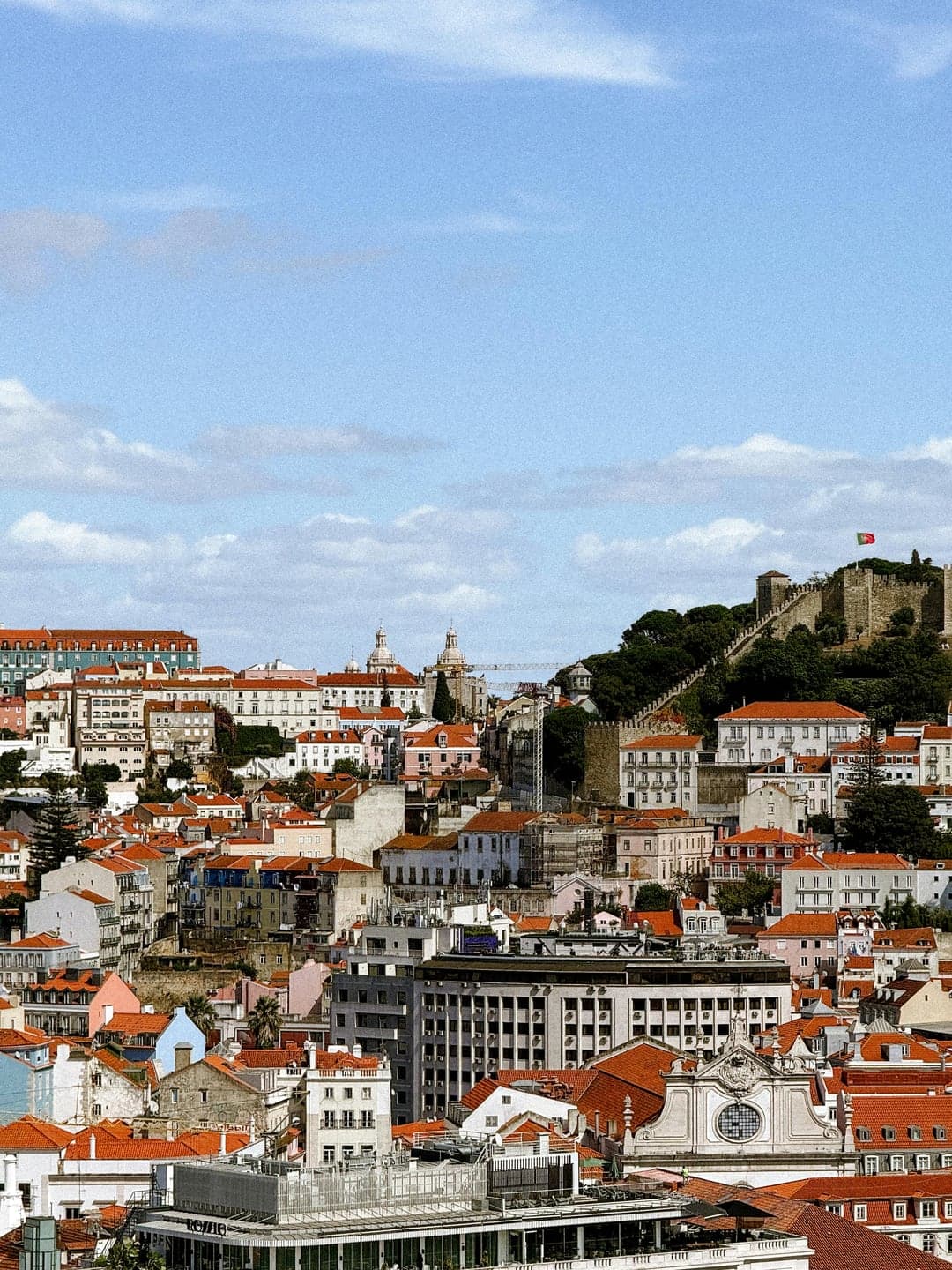
Santa Maria Maior is Lisbon’s historic heart: steep lanes, tiled facades, viewpoints, and lively squares packed with tram rattle and old-city atmosphere. It’s superb for sightseeing on foot, with easy access to Miradouro das Portas do Sol, Rua da Rosa, and downtown landmarks. Expect busy days, evening buzz, and some noise, especially around popular viewpoints and dining streets.
historic
scenic
lively
touristy
The feel
Why explore this neighborhood?
Santa Maria Maior is Lisbon’s historic heart: steep lanes, tiled facades, viewpoints, and lively squares packed with tram rattle and old-city atmosphere. It’s superb for sightseeing on foot, with easy access to Miradouro das Portas do Sol, Rua da Rosa, and downtown landmarks. Expect busy days, evening buzz, and some noise, especially around popular viewpoints and dining streets.
Santo António feels central, polished, and distinctly Lisbon: leafy avenues, elegant old buildings, and an easy jump to Bairro Alto, Príncipe Real, and the Baixa edge. Sightseeing is straightforward, with cultural stops and viewpoints nearby, while transport connections make wider exploring simple. Dining skews stylish and varied; evenings can get lively, but the neighborhood usually keeps a more refined, urban pace than the party core.
Alfama is Lisbon’s oldest, most atmospheric quarter: a maze of steep alleys, tiled façades, fado bars, and lookout points with sweeping river views. Sightseeing feels immersive and immediate, with Miradouro das Portas do Sol close by. Expect narrow streets, hilly walking, lively evenings, and a rustic, local feel that can get crowded and noisy.
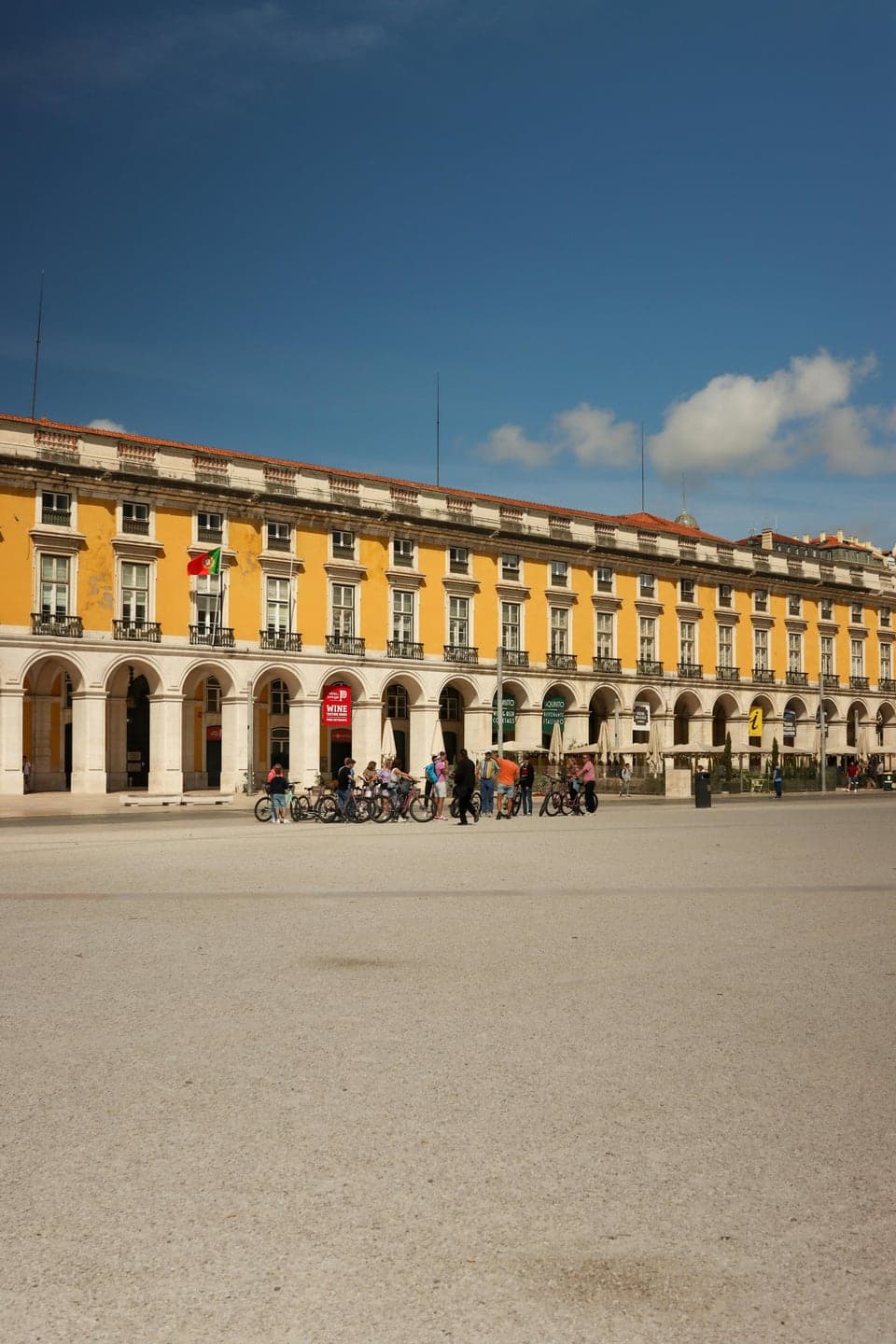
Baixa is Lisbon’s grand, gridded heart: polished, walkable, and made for first-time visitors who want landmarks, shopping streets, and easy transit at their doorstep. Days feel busy and efficient; evenings soften into café terraces and casual dining, with trams, metro, and pedestrian streets keeping the area lively but practical. Nearby highlights include Rua do Carmo, Rua da Rosa, and Miradouro das Portas do Sol.
Bairro Alto is Lisbon’s late-night, hilltop tangle of narrow streets, miradouros, and old facades, where daytime charm gives way to bars, tiny restaurants, and a buzzing social scene after dark. It’s highly convenient for central sightseeing, with easy access to Chiado, Baixa, and nearby viewpoints, but expect steep streets, dense foot traffic, and significant nighttime noise.