


Pantheon
The Pantheon is a former Roman temple in Rome, later consecrated as a Christian church. It is one of the best-preserved ancient Roman buildings, known for its massive dome and central oculus.
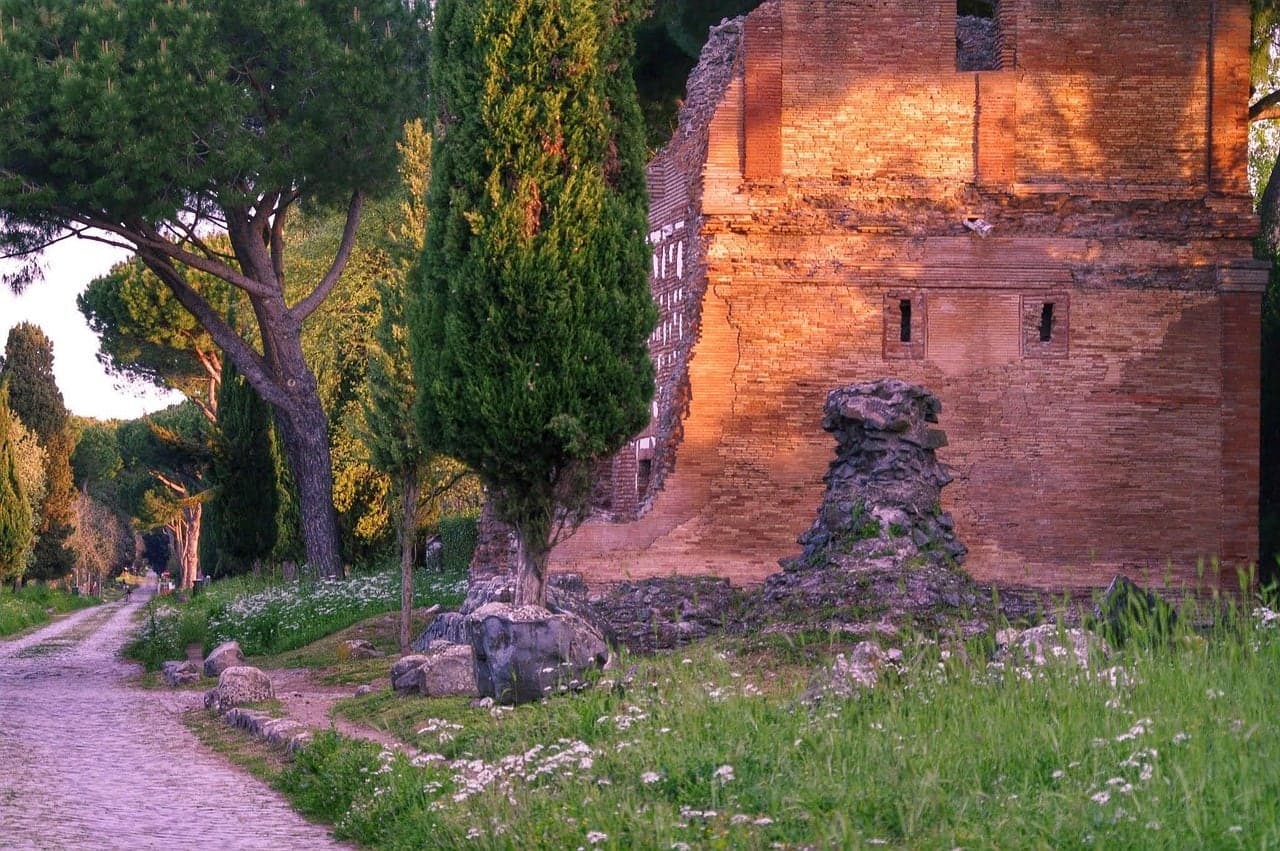
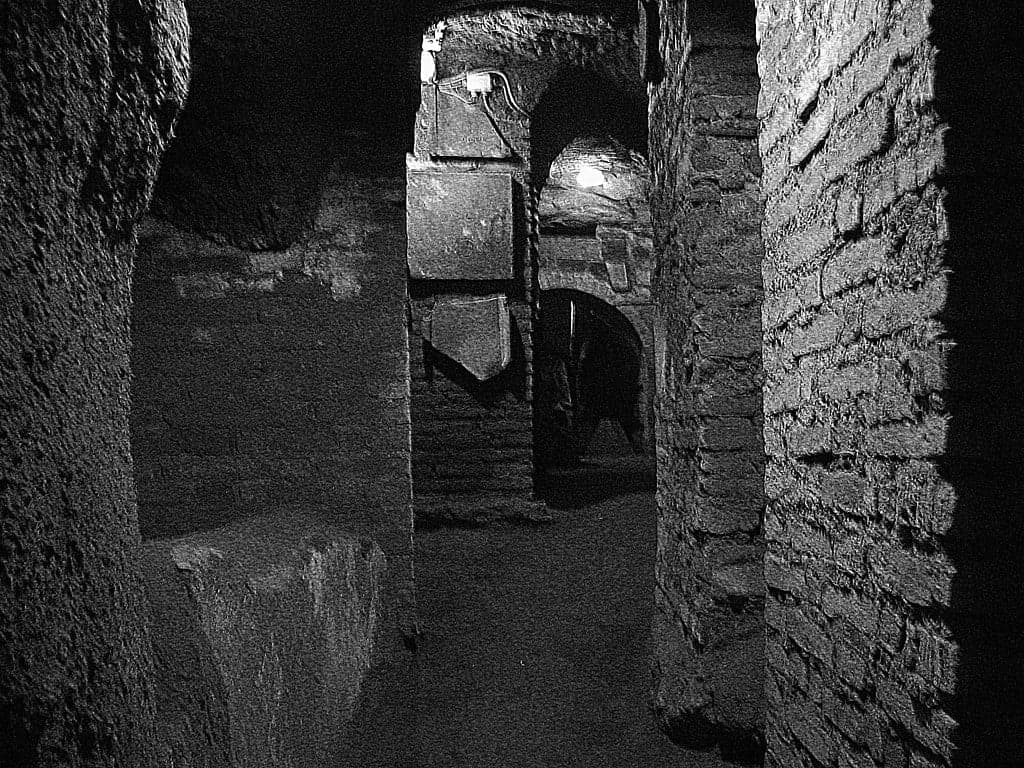
A protected archaeological landscape in Rome centered on the ancient Appian Way, preserving stretches of Roman road, tombs, catacombs, and ruins along one of the city's most important historic routes.
Keep exploring
Try another direction
Switch the mood of your shortlist without returning to the start.
Explore another area
Neighborhood
Municipio Roma I feels quintessentially Roman: layered with imperial ruins, grand churches, and pocket-sized viewpoints, yet still lively and walkable. Sightseeing is effortless, with landmarks like the Palatine, Tempio di Marte Ultore, and Santa Maria del Popolo nearby. Expect steady crowds, energetic streets, and strong café-and-restaurant character rather than late-night clubbing.
The Baths of Diocletian were the largest public baths in ancient Rome, built under Emperor Diocletian around the late 3rd and early 4th centuries CE. Parts of the complex are now used by the National Roman Museum.
 #2144 things to do
Neighborhood
Municipio Roma II feels like a cultured, central Rome base with a mix of grand historic sights and creative, lived-in neighborhoods. Around Santa Maria del Popolo, Santa Maria della Concezione dei Cappuccini, and Fondazione Pastificio Cerere, you get easy sightseeing variety, lively streets, and strong transit links, but also city noise, bustle, and a steady flow of visitors.
 #348 things to do
Neighborhood
Municipio Roma VII feels layered and lively, with working-class edges, student energy, and easy access to Rome’s historic core. It’s a practical base for sightseeing around Palatine-area landmarks and beyond, with dependable transit and everyday dining. Expect local traffic, some urban noise, and a mix of casual trattorie, bars, and neighborhood bustle rather than polished tourist calm.
Neighborhood
Municipio Roma IX feels like a broad, lived-in southern Rome district: more residential than postcard-central, with easy access toward the historic core and several cultural sights scattered within reach. Expect a relaxed local rhythm, practical transit links, and dining that skews everyday rather than polished. It suits travelers who want Rome beyond the busiest tourist lanes.


