
Nine Days of Ancient Rome, Art, and Quieter Corners
- 9 days
- Solo
- First time
- Culture & sights
- Packed itinerary
I spent nine January days in Rome on my own, using the city’s headline sights as the backbone of a first visit while leaving room for churches, parks, an underground archaeological site, and a neighborhood walk. Staying at nhow Roma Vittorio Veneto gave the trip a stable base, and I kept the pace balanced by pairing the biggest monuments with places that showed a quieter or less familiar side of the city.
Getting there
- Flew in
- Taxi / Ride-hail to accommodation
I arrived in Rome for a nine-day first visit focused on the city’s major historic and artistic sites.
Where I stayed
- nhow Roma Vittorio Veneto
- Best for: First-time visitors · Couples · Friends · Luxury travelers
I stayed at nhow Roma Vittorio Veneto in Rome. It gave me a comfortable base for a trip that moved between the historic center, Vatican City, Villa Borghese, and the Appian Way.
Getting around
- Walked
- Metro
- Taxi / Ride-hail
- Ease: 5/5 · Very easy
I combined walking for the closely grouped central sights with metro and taxi or ride-hail trips for longer cross-city connections.
What I did and saw
Day 1
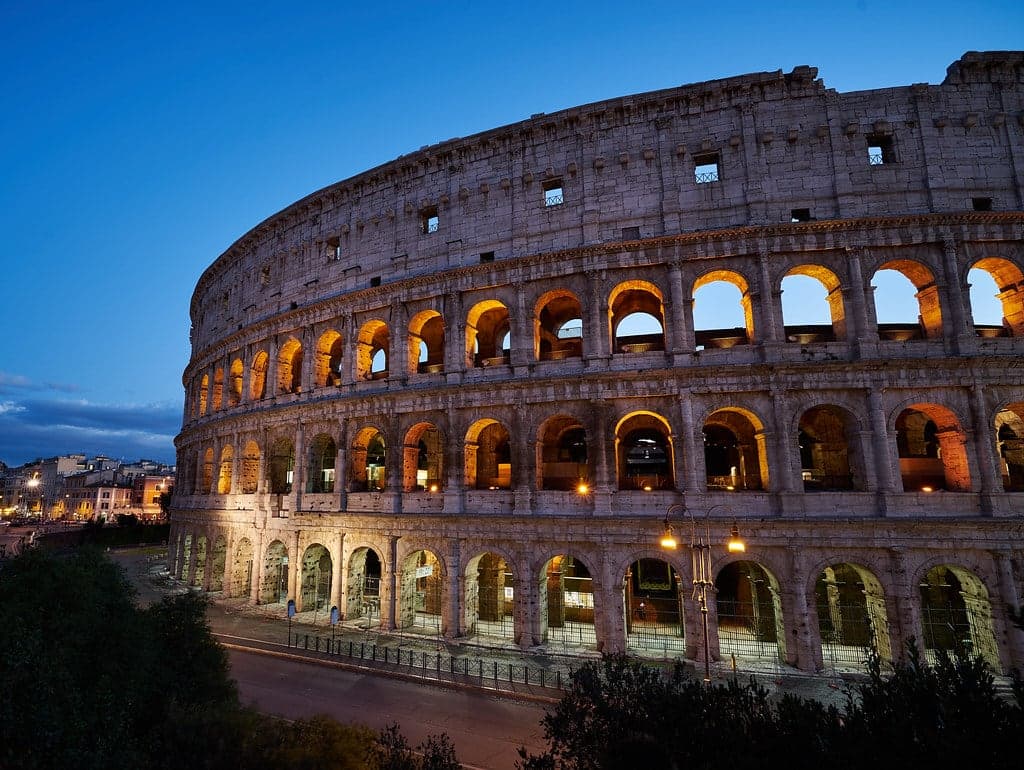
I began with the Colosseum because I wanted Rome’s most familiar ancient image to set the scale for the rest of the trip. Its amphitheatre form was even more imposing in person, although I found that the sheer size made its smaller details easy to overlook at first. From there, the nearby Arch of Constantine gave the day a more focused finish: its surviving reliefs and 315 CE dedication made it a useful bridge between the monumentality of the Colosseum and the political Rome behind it.
Day 2
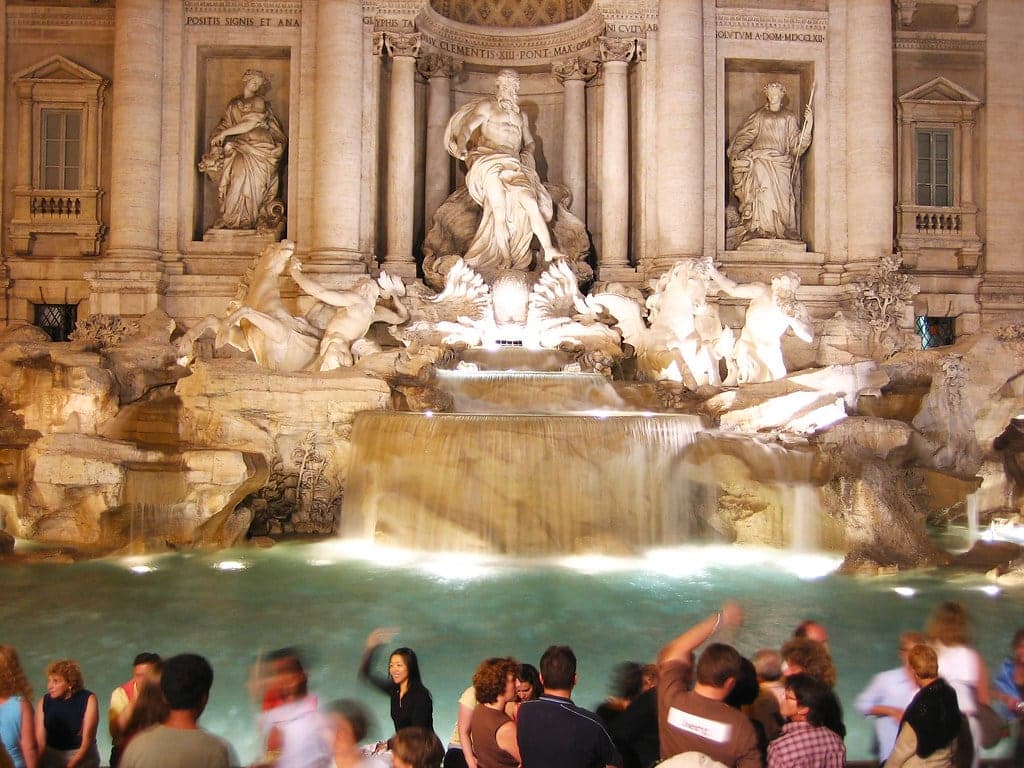
The second day moved from Baroque Rome to a more intimate layer of the ancient city. I started at the Trevi Fountain, where the elaborate sculpture against Palazzo Poli made clear why this is one of the city’s defining public spaces. I then went on to Le Domus Romane di Palazzo Valentini near Trajan’s Forum, and the preserved domestic remains below the building shifted my attention from imperial monuments to the spaces where Romans lived. It was a good contrast after the fountain’s outward theatricality.
Day 3
I spent this day in the historic center, beginning at the Pantheon. Seeing the massive dome and its central oculus in a building that has survived from ancient Rome gave the visit a directness that did not need much explanation. The walk continued to Piazza Navona, built over the Stadium of Domitian, where Bernini’s Fountain of the Four Rivers and the surrounding Baroque architecture showed how completely later Rome had reshaped an ancient site. The pairing made the city’s layers feel unusually close together.
Day 4
The Vatican Museums were the focus of the fourth day, and I gave the collection enough attention to follow its range from the Raphael Rooms to the Sistine Chapel rather than treating it as a checklist. The concentration of papal art and history was substantial, so I changed pace afterward at Castel Sant'Angelo. Originally Hadrian’s mausoleum and later a papal fortress, it carried the day from museum galleries into a building whose changing purpose is visible in its very form.
Day 5
I returned to ancient Rome by starting on Palatine Hill, where the association with the city’s founding and the remains of imperial residences give the high ground its importance. Looking down toward the Roman Forum helped me understand the relationship between the emperors’ hilltop world and the public center below. I then followed that connection into the Forum itself, moving among the remains of temples, monuments, and civic buildings. It was a dense day, but keeping the two sites together made their geography easier to read.
Day 6
Art took over on day six at Galleria Borghese. I was especially interested in seeing works by Bernini, Caravaggio, Canova, Raphael, and the other artists represented in the Borghese collection within the former Borghese estate. Afterward, Santa Maria della Vittoria offered a smaller and more concentrated encounter with Bernini through The Ecstasy of Saint Teresa. Ending in that seventeenth-century church kept the day personal in scale after the formal museum rooms.
Day 7
I used the seventh day to slow the pace and explore Trastevere, following its narrow streets and medieval character rather than another concentrated archaeological site. The neighborhood felt different from the grander central monuments, with its identity carried by the streets themselves. I later crossed Ponte Sant'Angelo, where the Baroque angel statues lead toward Castel Sant'Angelo across the Tiber. That walk linked the quieter neighborhood day back to one of Rome’s most recognizable riverside views.
Day 8
I began at the Basilica di Santa Maria Maggiore, one of Rome’s four major basilicas and a church with early Christian origins as well as later Baroque additions. I appreciated the accumulated history, though the mix of periods made it harder for me to take in the building as a single unified space. From there, Villa Borghese provided a broader outdoor setting around the former Borghese family estate. Its gardens, grounds, and museums gave the day a less tightly enclosed rhythm than the churches and ruins earlier in the trip.
Day 9
For the final day, I left the central sequence of headline sights and went to Parco Regionale dell'Appia Antica. Following the historic Appian Way through a landscape of ancient road, tombs, aqueducts, and archaeological remains showed a wider version of Rome than the compact center had. I finished at Galleria Nazionale D’Arte Moderna e Contemporanea, whose Italian and international collection spans the nineteenth century to the present. Moving from Roman-era infrastructure to modern art was a fitting way to close a trip that had kept revealing different versions of the city.
Food and drink tips
This was a sightseeing-led trip, so I kept food and drink as flexible supporting stops rather than building days around specific restaurants.
Good to know
- Expensive
- €150 - €200 per person / day
Group nearby sights into the same day, especially the ancient center and the historic core, to reduce repeated cross-city journeys. Parks, squares, bridges, and neighborhood walks also balanced the paid museums and archaeological sites.
The itinerary
Nine Days of Ancient Rome, Art, and Quieter Corners
9 days·18 stops·36h

More traveler stories
More trips to Rome
 4 days
Big Sights, Small Moments: My First Solo Rome Visit
I went to Rome wanting the classic highlights but also a few quiet pockets where I could slow down and listen to the city. The pace became a comfortable mix of museum-mornings, wandering afternoons, and evenings spent in small neighborhoods where locals actually live. Over four days I balanced crowded wonders with calm discoveries and left feeling both satisfied and curious to return.
10 daysRome Beyond the Postcards: Ten Solo Days of Art, Streets, and Small Discoveries
On my first trip to Rome, I spent ten days traveling solo with a notebook, comfortable shoes, and a deliberate refusal to chase only the famous views. I wanted the major historical weight of the city, but I found its personality just as clearly in small galleries, neighborhood theaters, green pauses, and long walks between them.
 Jake Ondricka5 days
Five Unhurried Days of Art, Ancient Rome, and Local Detours
I spent five days in Rome on my own, arriving with the usual first-time urge to see everything but deliberately leaving room for galleries, neighbourhood walks, and long pauses. The city gave me the grand history I had expected, yet the moments that stayed with me most were often the quieter ones: an independent art space, a bookshop browse, or a stretch of road where I could hear my own footsteps.