
Five Unhurried Days of Art, Ancient Rome, and Local Detours
- 5 days
- Solo
- First time
- Culture & sights
- Relaxed
I spent five days in Rome on my own, arriving with the usual first-time urge to see everything but deliberately leaving room for galleries, neighbourhood walks, and long pauses. The city gave me the grand history I had expected, yet the moments that stayed with me most were often the quieter ones: an independent art space, a bookshop browse, or a stretch of road where I could hear my own footsteps.
Getting there
- Flew in
- Taxi / Ride-hail to accommodation
I arrived in Rome in the late afternoon with a small carry-on and kept the first evening deliberately light, saving my energy for walking and gallery-hopping over the following days.
Where I stayed
- The Hoxton, Rome
- Best for: First-time visitors · Digital nomads · Couples
I stayed at The Hoxton, Rome, travelling solo. It gave me a calm base after the busy central streets, and I liked returning to a neighbourhood pace in the evening rather than sleeping directly beside the crowds. I did need to think ahead about transport for some far-flung visits, but that small trade-off suited a five-day stay.
Getting around
- Walked
- Metro
- Bus
- Taxi / Ride-hail
- Ease: 4/5 · Easy
I walked whenever I was exploring the centre, then used the metro or a taxi or ride-hail for the longer cross-city jumps. For outlying stops, grouping one or two in the same part of Rome made the day feel manageable; I avoided trying to zigzag back to the hotel between visits.
What I did and saw
Day 1
- Deviforme
- ALEFBET - The Hebrew Letters Art Gallery
- Basement Roma
- Trastevere Stadium
- Giardino Delle Streghe
- Chabad Piazza Bologna, Rome
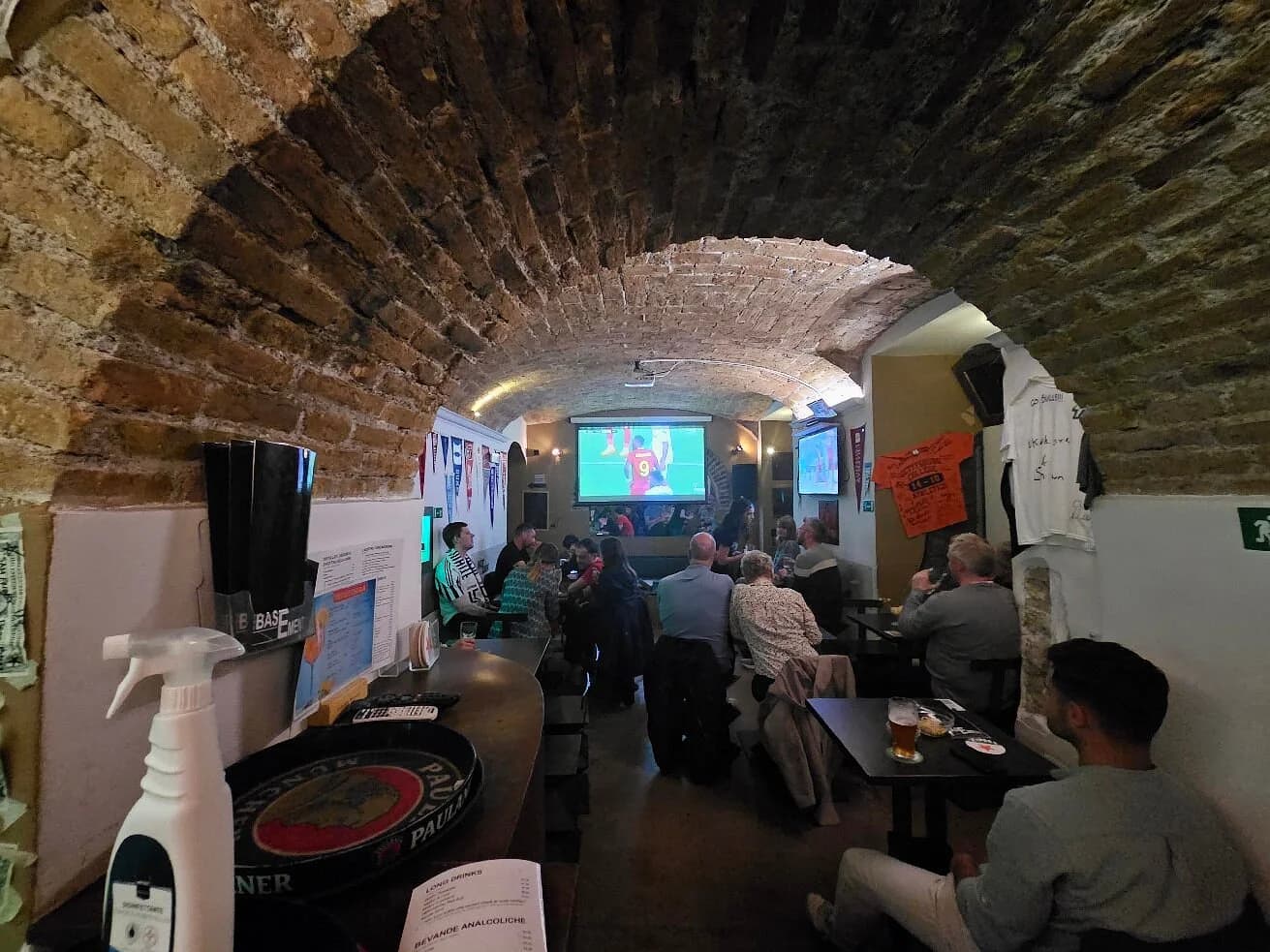
Deviforme was a quick, quiet art pause near the centre, though the work did not hold my attention for long. ALEFBET - The Hebrew Letters Art Gallery left me underwhelmed. I had hoped for a clearer, more engaging presentation, and it felt too slight to justify rearranging a day around. Basement Roma was one of my favourite discoveries: compact, contemporary, and pleasantly removed from the usual Rome visual vocabulary. I lingered over the pieces rather than rushing through, which is exactly what I wanted from a gallery visit. At Trastevere Stadium, the ordinary local sporting atmosphere was the appeal; it offered a welcome change from monuments. Giardino Delle Streghe gave me a peaceful green breather. I sat for a few minutes with a coffee before heading back into the city’s noise. Chabad Piazza Bologna, Rome felt warm and grounded, particularly after a day spent chasing art spaces. I appreciated having a quieter cultural and spiritual point of reference away from the main visitor circuit.
Day 2
Egokart was an unexpectedly fun detour. I went in wanting something completely unlike a museum afternoon and came away smiling, with just enough friendly competition to reset my energy. Res Militares Srls appealed to my curiosity about the less polished edges of history. It was a focused visit, and I found it more memorable because it contrasted with Rome’s grand imperial narrative. Trevimage made an easy art stop while I was near the Pantheon. Its small scale was a strength: I could look properly, then step straight back into the bustle outside. Museo Crocetti was a real highlight for me. The sculpture had room to breathe, and the quieter setting rewarded slowing down; I would happily return rather than treating it as a one-time checkbox.
Day 3
- Spazio Faro
- MoRA - Museum of Recycled Art
- Museo di Storia della Medicina
- Balletti Art Book
- Sentiero Pasolini
- Roman Ghetto
Spazio Faro had the kind of unhurried, independent feel I kept looking for in Rome. It made the surrounding neighbourhood worth exploring on foot rather than simply passing through. MoRA - Museum of Recycled Art was inventive without feeling preachy. I enjoyed seeing familiar discarded materials recast as objects worth examining, and it suited San Lorenzo’s more informal, studenty energy. Museo di Storia della Medicina satisfied the science-minded part of me. It was a refreshing shift after several art visits, and I took my time with the displays rather than trying to cover too much. I ducked into Balletti Art Book near Piazza Navona and left with far more browsing time than intended. It is a good place to slow the pace when the square outside starts feeling hectic. Sentiero Pasolini offered a welcome chance to move through a different, less theatrical side of Rome by bike. Parts felt more utilitarian than scenic, so I was glad I had water, a charged phone, and no pressure to race the route. The Roman Ghetto was best explored slowly and respectfully. I wandered without a rigid route, noticed the changing street texture, and paused for a simple lunch rather than treating the area as a backdrop for photographs.
Day 4
- Chiesa di Sant'Ignazio
- Maja Arte Contemporanea
- Dabliu Sport & Benessere
- Teatro Ivelise
- Appia Antica Archaeological Park
- Teatro 7
Chiesa di Sant'Ignazio made me stop in my tracks the moment I looked upward. I arrived between busier walks and found the interior gave me the stillness I had been missing that afternoon. Maja Arte Contemporanea was a polished, compact contemporary counterpoint to the surrounding old streets. I liked pairing it with an unhurried walk through the neighbourhood. After so much pavement, Dabliu Sport & Benessere was a practical recovery stop. A little exercise and downtime made the rest of the evening feel far less sluggish. Teatro Ivelise had an intimate neighbourhood-theatre feel that I enjoyed. It was a modest cultural evening, not a grand production, and that was precisely the charm. Appia Antica Archaeological Park gave me the spacious, contemplative Rome I had been hoping to find. I wore proper walking shoes, took my time, and found the longer stretches far more restorative than another crowded central loop. Teatro 7 was another pleasant local-feeling evening. Going solo was easy, and the smaller-scale setting felt more personal than the big-ticket entertainment I had considered.
Day 5
- Pavart
- Via Niccolo Piccolomini
- Le Domus Romane di Palazzo Valentini
- Libreria Rotondi
- Mausoleo di Santa Costanza
- Basilica Papale Di San Paolo Fuori le Mura
Pavart was a satisfying final gallery visit, tucked into a part of the city that encouraged me to linger. I liked combining it with a slow walk through Monteverde rather than hurrying back toward the centre. Via Niccolo Piccolomini was a nice short detour for the changing view along the street. I enjoyed the visual trick, although it was not substantial enough to be the main event of a day. Le Domus Romane di Palazzo Valentini made ancient Rome feel unusually immediate through its underground setting. I found it interesting rather than essential, but it worked well as a contained history stop after walking around the forums. Libreria Rotondi was a brief but enjoyable browse. As a book lover, I appreciated the pause among shelves more than I expected. Mausoleo di Santa Costanza had a calm, compact atmosphere, but it did not land as strongly for me as Rome’s larger sacred spaces. I was glad I visited while nearby rather than making a special cross-city trip. Basilica Papale Di San Paolo Fuori le Mura was the perfect closing landmark for my trip. Its scale felt generous rather than overwhelming, and I stayed longer than planned, quietly taking in the light and the sense of ceremony.
Good to know
- Moderate
- €150 - €200 per person / day
My easiest savings came from treating the hotel breakfast as an occasional convenience rather than a daily habit, carrying a refillable water bottle, and using public transport for predictable longer journeys. I also built in simple counter lunches on gallery-heavy days and saved sit-down dinners for evenings when I was staying nearby.
The itinerary
Five Unhurried Days of Art, Ancient Rome, and Local Detours
5 days·28 stops·56h

More traveler stories
More trips to Rome
4 daysBig Sights, Small Moments: My First Solo Rome Visit
I went to Rome wanting the classic highlights but also a few quiet pockets where I could slow down and listen to the city. The pace became a comfortable mix of museum-mornings, wandering afternoons, and evenings spent in small neighborhoods where locals actually live. Over four days I balanced crowded wonders with calm discoveries and left feeling both satisfied and curious to return.
Nine Days of Ancient Rome, Art, and Quieter Corners
I spent nine January days in Rome on my own, using the city’s headline sights as the backbone of a first visit while leaving room for churches, parks, an underground archaeological site, and a neighborhood walk. Staying at nhow Roma Vittorio Veneto gave the trip a stable base, and I kept the pace balanced by pairing the biggest monuments with places that showed a quieter or less familiar side of the city.
10 daysRome Beyond the Postcards: Ten Solo Days of Art, Streets, and Small Discoveries
On my first trip to Rome, I spent ten days traveling solo with a notebook, comfortable shoes, and a deliberate refusal to chase only the famous views. I wanted the major historical weight of the city, but I found its personality just as clearly in small galleries, neighborhood theaters, green pauses, and long walks between them.
 Jake Ondricka