
Rome Beyond the Postcards: Ten Solo Days of Art, Streets, and Small Discoveries
 Jake OndrickaMay 28 – Jun 6, 2026
- 10 days
- Solo
- First time
- Culture & sights
- Packed itinerary
On my first trip to Rome, I spent ten days traveling solo with a notebook, comfortable shoes, and a deliberate refusal to chase only the famous views. I wanted the major historical weight of the city, but I found its personality just as clearly in small galleries, neighborhood theaters, green pauses, and long walks between them.
Getting there
- Flew in
- Taxi / Ride-hail to accommodation
I flew into Rome with one carry-on and arrived in the afternoon, which left me enough energy for a short first walk before dinner.
Where I stayed
- Passepartout
- Best for: First-time visitors · Friends · Digital nomads
I stayed at Passepartout and found it a very comfortable base for a solo first visit. I liked being able to return between outings to drop my bag, reset with a coffee, and head out again without turning every day into a marathon.
Getting around
- Walked
- Metro
- Bus
- Taxi / Ride-hail
- Ease: 4/5 · Easy
I did most central stretches on foot and used the metro or buses for longer cross-town hops. For the outer parks, sports venues, and the Appia Antica, a taxi or ride-hail saved a great deal of time; I kept comfortable walking shoes in rotation because the cobbles added up.
What I did and saw
Day 1
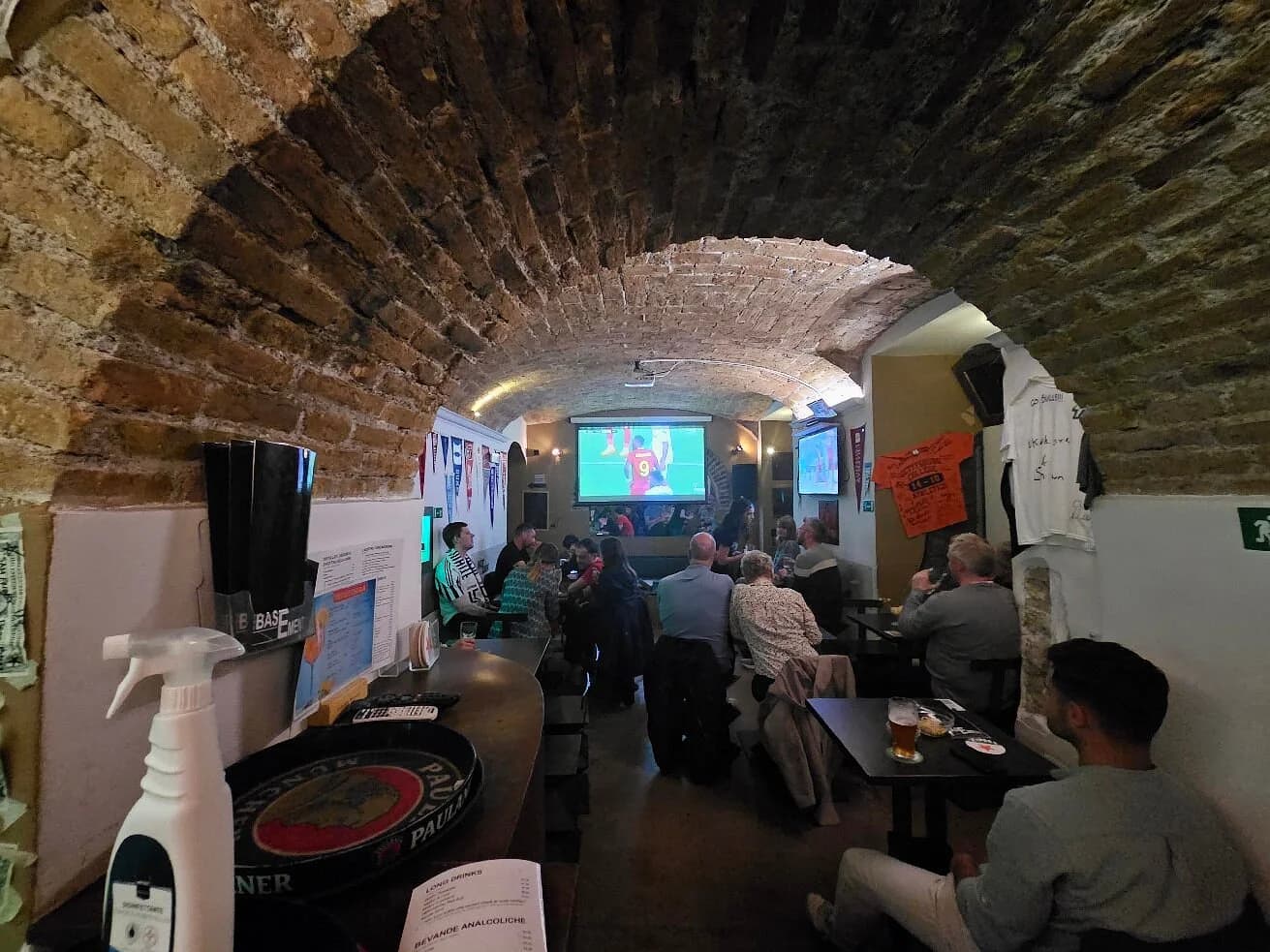
Deviforme gave my first afternoon a quieter, contemporary counterpoint to the surrounding historic lanes. At Basement Roma, I enjoyed slowing down over a compact display rather than rushing through another grand museum. It felt like a useful reminder that Rome’s art scene is not confined to antiquity. Trastevere Stadium was a pleasantly ordinary glimpse of the city beyond the postcard routes. I passed through in the late afternoon, when the neighborhood rhythm felt more memorable than the venue itself. Giardino Delle Streghe offered a small green pause after several transport connections. I lingered on a bench with my water bottle and enjoyed having nowhere famous to be for a few minutes. Chabad Piazza Bologna was a respectful, brief visit in a lived-in residential part of Rome. It added a different perspective to a day otherwise focused on galleries.
Day 2
ALEFBET - The Hebrew Letters Art Gallery was interesting in concept, though the visit felt brief for the detour. I paired it with a longer wander through the nearby streets, which made the outing feel worthwhile. Res Militares Srls appealed to my history-loving side, but it did not hold my attention for long. I would treat it as a short, focused stop rather than the centerpiece of a day. Trevimage was the least satisfying gallery visit of my stay; the experience felt more fleeting than I expected. Its central setting made it easy to combine with a walk near the Pantheon, but I would not make a special journey for it. Spazio Faro was one of the day’s genuine finds. The contemporary work felt thoughtfully presented, and I left with the pleasant sense of having discovered something rather than merely checked off a sight. Museo Crocetti rewarded the trip out with a calm, concentrated art experience. I particularly appreciated the unhurried atmosphere after the busy historic center. Egokart was a joyful change of pace from churches and galleries. I went alone and still had a great time; it was the one afternoon when I stopped analyzing Rome and simply had fun.
Day 3
- Museo di Storia della Medicina
- MoRA - Museum of Recycled Art
- Chiesa di Sant'Ignazio
- Balletti Art Book
- Sentiero Pasolini
- Roman Ghetto
Museo di Storia della Medicina was a standout for its unusual subject and academic setting. I moved through it slowly, fascinated by how medical objects can make the past feel both inventive and unsettling. MoRA - Museum of Recycled Art had an inventive, playful energy. It made a smart companion to San Lorenzo’s less polished, more everyday character. Chiesa di Sant'Ignazio stopped me in my tracks. I sat quietly for a while and let my eyes adjust to the lavish interior; arriving between larger sightseeing crowds made the pause feel especially personal. Balletti Art Book was a small pleasure for anyone who likes browsing images and paper. I bought a postcard and used the visit as a gentle reset near the busier central streets. I rented a bicycle for Sentiero Pasolini and loved seeing a wider, quieter edge of Rome. The route was best enjoyed without rushing; I paused often, kept water handy, and was glad I had left the central crowds behind. The Roman Ghetto became one of my favorite evening walks. Its narrower streets encouraged me to slow down, look up, and choose dinner without the pressure of a landmark timetable.
Day 4
- Teatro Ivelise
- Dabliu Sport & Benessere
- Maja Arte Contemporanea
- Pavart
- Appia Antica Archaeological Park
- Teatro 7
Teatro Ivelise had the intimate scale I was hoping to find in Rome. Seeing a performance there felt far more local and immediate than a big-ticket night out. A session at Dabliu Sport & Benessere was my practical mid-trip reset. After days on cobbles, simply moving and stretching indoors felt surprisingly restorative. Maja Arte Contemporanea was a highlight of my gallery days. The work gave me plenty to consider, and the visit fit naturally into an unhurried wander through the center. Pavart was a warm, low-pressure stop in Monteverde Vecchio. I enjoyed the neighborhood walk around it almost as much as the art. At Appia Antica Archaeological Park, I finally understood why people advise getting beyond the central core. The long, open stretches and fragments of ancient Rome made the city feel spacious; I took a taxi there and spared my feet for walking once I arrived. Teatro 7 made for another satisfying small-theater evening. I liked ending a sightseeing day seated among an audience rather than circling one more piazza.
Day 5
Circolo-Oratorio San Girolamo a.s.d. was a quick, friendly glimpse of neighborhood sporting life. It was not a headline attraction, but that was exactly its appeal. Parco Canale dello Stagno gave me a breezy, quiet day away from stone façades and queues. I brought a simple picnic and enjoyed watching local life drift past.
Day 6
- Cucimondo
- Studio d'Arte di Francisco Córdoba
- Santa Marta al Collegio Romano
- Atelier D'artista Moreno Bondi
- Biblioteca Vaccheria Nardi
- Parrocchia di San Corbiniano
Cucimondo felt like a characterful San Lorenzo detour, the sort of place that rewards curiosity more than a strict checklist. I kept the visit brief and then explored the surrounding streets on foot. Studio d'Arte di Francisco Córdoba was a worthwhile Monti pause. I liked encountering an artist’s space amid a neighborhood I had otherwise associated with cafés and shopping. Santa Marta al Collegio Romano offered a quiet moment close to some of Rome’s busiest streets. I stepped inside partly to rest and left feeling properly recharged. Atelier D'artista Moreno Bondi suited the unhurried mood of Via Giulia. It was a compact encounter with contemporary creativity in a street where I was already happy to wander slowly. Biblioteca Vaccheria Nardi was a modest stop, but I enjoyed its sense of everyday civic life. It worked best as a calm breather rather than a destination requiring a long detour. Parrocchia di San Corbiniano was a simple, respectful visit outside my usual central loop. Its quietness was the main reason it stayed with me.
Day 7
Centro Sportivo Dribbling was fine for a short look at local sports activity, although it offered little for me as a visitor on my own. I would prioritize it only if you already have reason to be nearby. Basilica of San Lorenzo Fuori le Mura had a solemn atmosphere, but this particular visit did not connect with me as strongly as other churches. I was tired by then, and the out-of-center journey made the experience feel less rewarding than I had hoped. Art Gallery Roma was a disappointment for me: I did not find enough there to justify interrupting a good walk along Via dei Coronari. In hindsight, I would have spent the extra time lingering in the street instead.
Day 8
Istituto Nazionale Di Studi Romani was a superb final quiet discovery. The architectural setting near the Aventine encouraged me to look carefully at details, then continue my walk at a slower pace.
Day 9
Teatro delle Muse delivered a lively, memorable evening and made the city feel less like an open-air museum. I was glad I had saved room in the trip for contemporary cultural life. Chiesa Di Santa Maria Sopra Minerva was one of the churches I returned to in my mind after leaving Rome. Its darker, more contemplative interior felt distinct from the bright bustle outside, so I recommend allowing time simply to sit.
Day 10
The Pontifical Sanctuary of the Holy Stairs made a powerful final-day visit. I approached it quietly and without trying to rush the experience, which felt more appropriate than treating it as another photo stop. I Virtuosi dell'opera di Roma gave my solo trip a fitting last-night flourish. The performance was polished, the setting felt special without being overwhelming, and I walked back to Passepartout happily replaying the evening.
Good to know
- Moderate
- €150 - €200 per person / day
I made breakfast simple, carried a refillable water bottle, and treated a sit-down lunch as my main meal on busier days. Walking between nearby central sights also cut down on small transport costs, while I used taxis selectively for the genuinely far-flung stops rather than trying to force every journey onto public transport.
The itinerary
Rome Beyond the Postcards: Ten Solo Days of Art, Streets, and Small Discoveries
10 days·39 stops·78h

More traveler stories
More trips to Rome
4 daysBig Sights, Small Moments: My First Solo Rome Visit
I went to Rome wanting the classic highlights but also a few quiet pockets where I could slow down and listen to the city. The pace became a comfortable mix of museum-mornings, wandering afternoons, and evenings spent in small neighborhoods where locals actually live. Over four days I balanced crowded wonders with calm discoveries and left feeling both satisfied and curious to return.
Nine Days of Ancient Rome, Art, and Quieter Corners
I spent nine January days in Rome on my own, using the city’s headline sights as the backbone of a first visit while leaving room for churches, parks, an underground archaeological site, and a neighborhood walk. Staying at nhow Roma Vittorio Veneto gave the trip a stable base, and I kept the pace balanced by pairing the biggest monuments with places that showed a quieter or less familiar side of the city.
5 daysFive Unhurried Days of Art, Ancient Rome, and Local Detours
I spent five days in Rome on my own, arriving with the usual first-time urge to see everything but deliberately leaving room for galleries, neighbourhood walks, and long pauses. The city gave me the grand history I had expected, yet the moments that stayed with me most were often the quieter ones: an independent art space, a bookshop browse, or a stretch of road where I could hear my own footsteps.